

 See My Latest Article on HelloNation
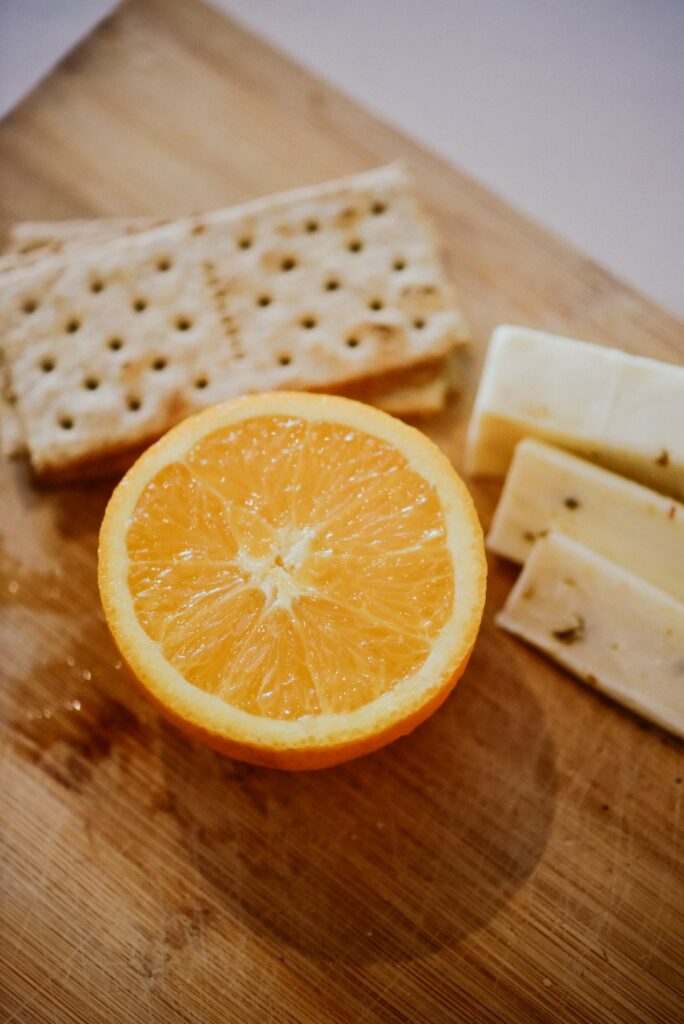
Cheddar can look nearly ivory, pale yellow, or distinctly golden, yet color alone does not tell you how sharp, aged, or flavorful the cheese will be. The main difference between white cheddar and golden cheddar is usually the presence of added color, not a different cheesemaking method.
Is white cheddar naturally white?
Yes. Cheddar’s natural color ranges from white to light cream or pale yellow. That color comes partly from the milk used to make it and from the amount of natural yellow pigment in the milk fat.
White cheddar is generally made without added coloring. It may look bright ivory when young and become slightly deeper in tone as it ages. Aged white cheddar can also develop small pale crystals, a drier texture, and a more concentrated flavor.
The term “white cheddar” does not automatically mean the cheese is younger, milder, less processed, or more natural than golden cheddar. It mainly describes appearance and, often, the absence of annatto coloring.
Why is some cheddar golden or orange?
Golden cheddar is usually colored with annatto, a natural food color made from the seeds of the achiote plant. Annatto can produce shades ranging from soft yellow to deep orange, depending on how much is used.
The color historically helped make cheddar look more consistent throughout the year. Milk can vary naturally in color as cows’ diets change with seasonal feed, pasture access, and other conditions. Adding annatto creates a more uniform appearance from one batch to another.
In the United States, golden or orange cheddar is common enough that many shoppers assume it represents the cheese’s natural color. In reality, cheddar without added color is usually white to pale cream.
Annatto generally affects appearance rather than giving cheddar a strong flavor. A golden cheddar is not automatically sharper, richer, saltier, or more aged than a white cheddar.
Does golden cheddar taste different from white cheddar?
Not necessarily. If two cheddars are made from similar milk and follow similar recipes, their color may have little effect on taste.
Flavor differences usually come from factors such as:
- Age and curing time
- Starter cultures used during cheesemaking
- Salt level
- Moisture content
- Fat content
- Milk quality and seasonal variation
- Storage conditions
- Whether the cheese is clothbound, smoked, flavored, or blended with other ingredients
A young cheddar may taste mild, milky, and slightly tangy. A mature cheddar may have stronger acidity, nuttiness, savory notes, or a crumbly texture. Either version can be white or golden.
The most useful label information is often “mild,” “medium,” “sharp,” or an aging statement rather than the color. Those descriptions are not perfectly standardized across every producer, but they give more information about expected flavor than white versus golden alone.
Is one type better for cooking?
Both colors can work well in cooking. The better choice depends on the dish and the appearance you want.
White cheddar is useful when a pale sauce, soup, casserole, or potato dish is preferred. It can keep the finished food light in color, although the sauce may still become cream-colored depending on the milk, butter, flour, and other ingredients.
Golden cheddar adds a warmer yellow or orange appearance to:
- Macaroni and cheese
- Grilled cheese sandwiches
- Baked potatoes
- Egg dishes
- Casseroles
- Cheddar soups
- Burgers and toasted sandwiches
Melting performance depends more on moisture, age, acidity, and the specific recipe than on color. Very aged cheddar can become oily or grainy when overheated, while a younger cheddar may melt more smoothly. Gentle heat and gradual melting help both varieties perform better.
For a smooth cheese sauce, shred the cheese finely and add it after the thickened liquid has cooled slightly. Excessive boiling can cause the fat and proteins to separate, regardless of whether the cheese is white or golden.
Does white cheddar contain less coloring or fewer additives?
Often, yes, but the package label is the reliable source. White cheddar is commonly made without annatto, while golden cheddar may list annatto or another permitted cheese color in the ingredients.
“White” does not mean the cheese contains no additives at all. Cheddar may also include salt, cultures, enzymes, and other ingredients allowed for cheesemaking. The absence of annatto does not indicate a difference in quality, and its presence does not mean the cheese is artificial or heavily processed.

People who avoid specific color additives should read the ingredient list rather than judging by appearance. Color can vary naturally, and some pale cheeses may still contain a small amount of coloring.
Why can the color vary from season to season?
Milk color is influenced by the cow’s diet and by natural pigments carried in milk fat. Fresh forage can contribute different levels of yellow pigment than stored feed. Because of this, naturally colored cheddar may range from almost white to pale yellow over the course of a year.
For households in Plymouth, seasonal changes are familiar in many foods, especially those affected by storage, preservation, and winter feeding patterns. The same general principle applies to cheese: a change in shade does not necessarily signal a change in freshness or safety.
Added annatto helps reduce those visual differences. A producer may use it to create a predictable golden color even when the underlying milk changes slightly from season to season.
Does darker cheddar mean it is older?
No. Darker color is not a dependable measure of age.
A young cheddar can be strongly colored, while an aged cheddar can remain nearly white. Aging causes changes in moisture, texture, acidity, and flavor, but annatto controls much of the visible yellow or orange color.
To estimate age, look for terms such as “aged,” “sharp,” or a stated number of months or years. Then consider the texture. Older cheddar is often firmer, drier, more crumbly, and more intense, though exact characteristics vary.
Small crunchy crystals in aged cheddar are also not a sign of spoilage. They may be naturally occurring flavor compounds that form as the cheese matures.
Which cheddar should you choose?
Choose based on flavor, texture, ingredients, and intended use rather than color alone.
White cheddar may be a good fit when:
- You prefer a pale, clean-looking cheese
- You want a sharper flavor without an orange appearance
- You are preparing a light-colored sauce or casserole
- You want to avoid annatto and the label confirms it is absent
Golden cheddar may be a good fit when:
- You prefer the traditional yellow-orange appearance
- You want color contrast in sandwiches or cheese boards
- You are preparing a dish where a warmer color is appealing
- The particular cheese offers the flavor or aging level you want
For a local cheese board or a winter gathering, placing white and golden cheddars side by side can be a useful comparison. Taste them without discussing the color first. Many people find that age, salt, acidity, and texture are more noticeable than the coloring.
The simplest answer is this: white cheddar is usually uncolored cheddar, while golden cheddar is usually cheddar with annatto or another permitted color added. The color does not reliably tell you which cheese is sharper, older, healthier, or better. The label, aging description, ingredients, and actual taste provide much more useful information.