

 See My Latest Article on HelloNation
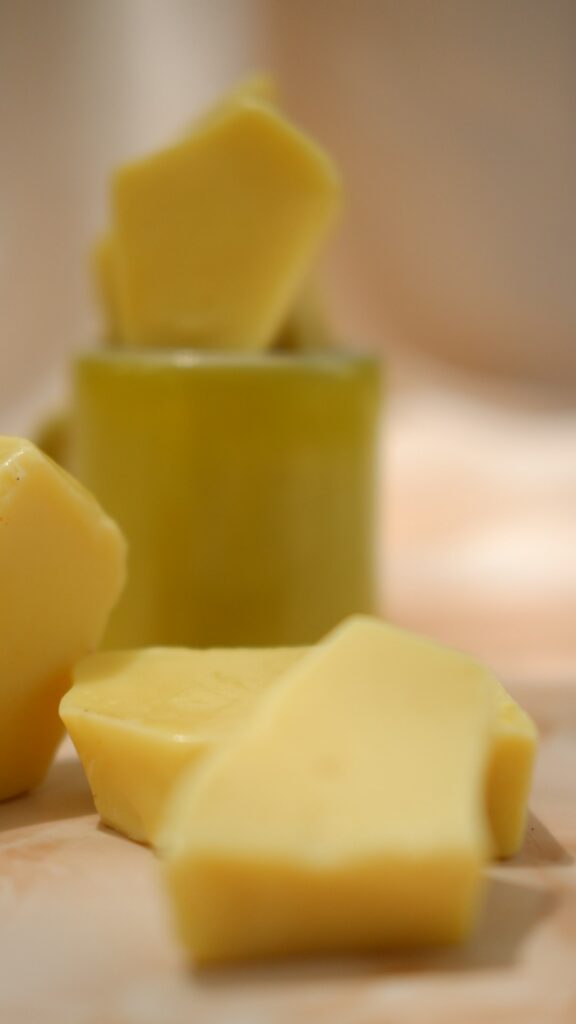
Cheddar labeled mild, sharp, or extra-sharp is generally the same broad style of cheese at different stages of flavor and texture development. The main difference is aging: as cheddar matures, its flavor usually becomes more pronounced, its texture often becomes firmer or more crumbly, and its ability to melt smoothly can change.
For households in Plymouth, choosing among these styles often depends less on which cheese is “best” and more on how it will be used. A mild cheddar may be ideal for everyday sandwiches, while an extra-sharp cheddar can bring enough character to stand out on a winter snack board or in a simple meal.
What makes cheddar mild, sharp, or extra-sharp?
The terms describe flavor intensity, but they are not perfectly uniform legal categories with one universal aging schedule. Cheese producers may use slightly different standards for these labels.
In general:
- Mild cheddar has a young, creamy, milky flavor and a smooth, flexible texture.
- Sharp cheddar has a stronger tang, more developed savory notes, and a firmer body.
- Extra-sharp cheddar has the most concentrated flavor of the three, often with pronounced acidity, nuttiness, or a lingering finish.
Aging is the primary factor, but milk composition, cheesemaking methods, cultures, salt levels, moisture, and storage conditions also affect the final result. Two cheddars with similar stated ages may still taste noticeably different.
How old is mild cheddar compared with sharp cheddar?
Mild cheddar is commonly aged for only a few months. Sharp cheddar may be aged for six months or longer, while extra-sharp cheddar is often aged for a year or more. These are useful general guidelines rather than strict rules.
As cheddar ages, natural enzymes break down proteins and fats. This creates additional flavor compounds and gradually changes the cheese’s structure. Moisture also decreases over time, concentrating the flavor and making the cheese firmer.
A package that lists an exact age, such as “aged 12 months,” provides more specific information than the word “sharp” alone. However, age does not automatically determine quality. A well-made younger cheddar may be more balanced and enjoyable than an older cheese with harsh, bitter, or overly acidic flavors.
How do the textures differ?
Texture is one of the clearest practical differences between the three styles.
Mild cheddar is usually smooth, moist, and elastic. It slices cleanly and bends easily, which makes it convenient for sandwiches, burgers, wraps, and lunchbox portions.
Sharp cheddar is firmer and may feel denser when cut. It can still be creamy, but it often has less stretch than mild cheddar and may show small crystals or a slightly grainier texture as it ages.
Extra-sharp cheddar is often firm, crumbly, or flaky. Some aged versions contain crunchy crystals formed during maturation. These crystals are not automatically a defect; they can add a pleasant contrast to the cheese’s texture.
A dry or crumbly texture is not always a sign that cheddar has spoiled. Older cheese naturally loses moisture. Spoilage is more likely to involve unusual sliminess, strong ammonia-like odors, fuzzy mold beyond what is expected for the particular cheese, or a distinctly unpleasant taste.
Which cheddar melts best?
Mild cheddar usually melts most smoothly because it contains more moisture and has a less developed protein structure. It works well in grilled sandwiches, casseroles, scrambled eggs, soups, and sauces.
Sharp cheddar can also melt well, especially when grated and heated gently. Extra-sharp cheddar is more likely to become oily, separate, or turn grainy when exposed to high heat. That does not make it unsuitable for cooking, but it may perform better when combined with a younger cheddar or another good-melting cheese.
For a smooth sauce:
- Grate the cheese rather than adding a large block.
- Use moderate heat.
- Add the cheese after the liquid base has thickened.
- Stir gently and avoid prolonged boiling.
- Consider blending sharp or extra-sharp cheddar with mild cheddar for both flavor and smoothness.

Aged cheddar is often at its best grated over a finished dish rather than cooked aggressively into it.
Is sharper cheddar always stronger or better?
No. “Sharp” refers mainly to flavor intensity, not overall quality. Some people prefer the rounded, milky taste of mild cheddar, while others enjoy the acidity and savory depth of a longer-aged cheese.
Extra-sharp cheddar can taste bold, tangy, nutty, earthy, or brothy. Depending on the cheese, it may also have a dry finish or a slight bitterness. Sharpness should not be confused with bitterness. A pleasantly sharp cheddar has lively acidity and a clean finish; a bitter or harsh flavor may indicate an imbalance, age-related deterioration, or a problem with storage.
The best choice depends on the food and the people eating it. A strong cheddar can overwhelm delicate ingredients, while mild cheddar may disappear in a dish with roasted vegetables, smoked meats, or strongly seasoned sauces.
Which style works best for common foods?
For sandwiches and burgers: Mild or medium cheddar usually gives dependable creaminess without overpowering other ingredients. Sharp cheddar is useful when the sandwich includes bold fillings.
For grilled cheese: Mild cheddar melts easily. A combination of mild and sharp cheddar can add more flavor while keeping the texture smooth.
For macaroni and cheese: Mild cheddar provides a creamy base, while sharp cheddar adds more character. Extra-sharp cheddar is best used in moderation or blended with a younger cheese.
For cheese boards: Sharp and extra-sharp cheddar are good choices because their flavors can stand alongside fruit, nuts, crackers, and cured foods. Mild cheddar is helpful for balancing stronger cheeses.
For soups and casseroles: Mild or sharp cheddar generally incorporates more smoothly. Extra-sharp cheddar is often better sprinkled over the top or added near the end of cooking.
For cooking during colder months: Aged cheddar can add substantial flavor to baked potatoes, roasted vegetables, savory pies, and hearty soups without requiring a large amount. This can be especially useful for simple meals prepared during long indoor seasons.
Does white cheddar taste different from orange cheddar?
Usually, the color does not determine whether cheddar is mild, sharp, or extra-sharp. Orange cheddar typically gets its color from annatto, a natural coloring ingredient. White cheddar is not necessarily milder, fresher, or less authentic.
A white cheddar can be mild, sharp, or extra-sharp, just as an orange cheddar can. Flavor depends more on aging, cheesemaking, and storage than on color.
How should cheddar be stored at home?
Keep cheddar refrigerated and well wrapped to limit drying and unwanted odor absorption. A tightly closed container or cheese paper can help maintain quality. Harder aged cheddars generally keep longer than younger, moister versions, but all cheese should be checked for changes in smell, surface, and texture.
Allowing cheddar to sit at room temperature for a short time before eating can make its aroma and flavor easier to notice. For tasting, cut a small piece from the center and compare it with the rind or exposed edge, which may have dried slightly.
For most everyday uses, mild cheddar is the most flexible. Sharp cheddar offers a useful middle ground between easy melting and fuller flavor. Extra-sharp cheddar is best selected when the cheese itself needs to make a strong impression.