

 See My Latest Article on HelloNation
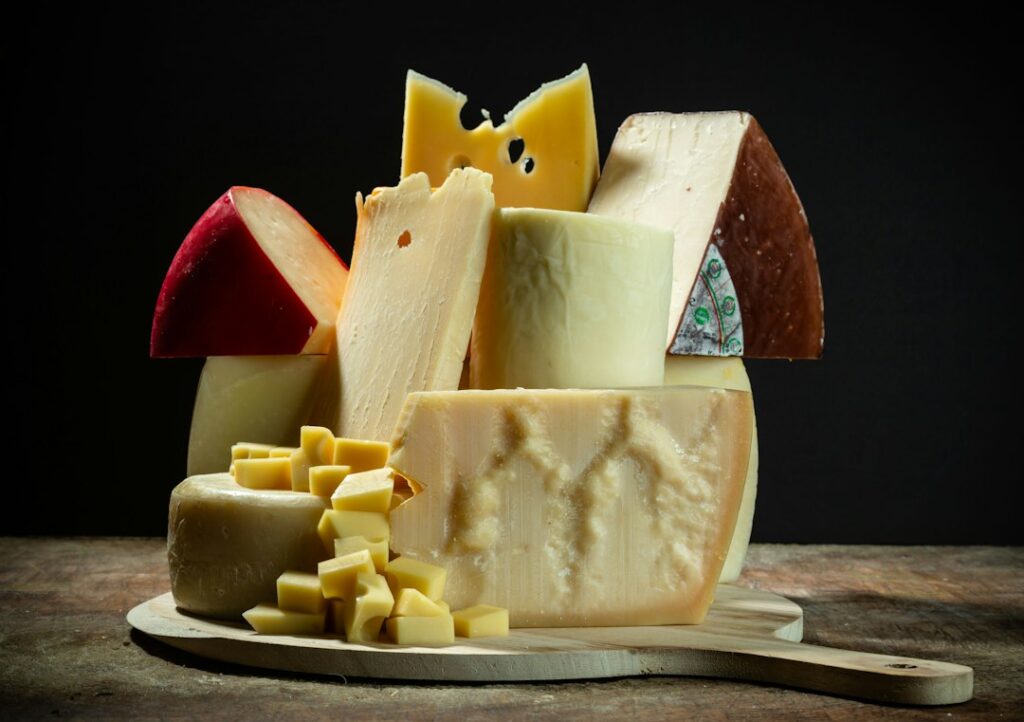
Cheddar aging is a controlled process that gradually changes the cheese’s flavor, aroma, texture, and moisture. A young cheddar is usually soft, creamy, and gently tangy, while an older cheddar often tastes sharper, more savory, nuttier, and more concentrated.
For residents of Plymouth, WI, the differences are easy to notice when comparing several ages side by side. The label may say mild, medium, sharp, or extra sharp, but those terms are not perfectly standardized across every producer. The actual aging period, recipe, salt level, moisture, cultures, and storage conditions all influence the final result.
What happens to cheddar as it ages?
As cheddar ripens, enzymes and microorganisms continue breaking down parts of the cheese. The most significant changes involve proteins, fats, and small amounts of remaining sugars.
Protein breakdown, known as proteolysis, softens the cheese’s internal structure and creates smaller compounds that contribute savory, brothy, nutty, and sometimes slightly bitter flavors. Fat breakdown, called lipolysis, releases fatty acids that add depth and aroma. Other reactions create additional flavor compounds from those smaller protein and fat components.
Aging also allows moisture to redistribute or gradually decrease. With less water diluting the flavor, the cheese can taste more concentrated even when no extra seasoning has been added.
Why does aged cheddar taste sharper?
“Sharp” refers mainly to intensity and tang rather than heat or spice. Older cheddar generally has more developed acidic, savory, and pungent notes because the ripening reactions have had more time to proceed.
Young cheddar tends to emphasize:
- Milk and cream
- Light tanginess
- Soft, smooth texture
- Mild saltiness
More mature cheddar may show:
- Stronger acidity
- Toasted or nutty notes
- Brothy, savory flavor
- A longer finish
- Occasional earthy, caramel-like, or slightly sulfurous aromas
The increase in sharpness is not simply caused by age alone. A cheddar with higher moisture, different cultures, or a different salt-to-moisture balance may mature more slowly or develop a different style of flavor.
How does aging change cheddar’s texture?
Cheddar usually becomes firmer and more crumbly as it ages. The protein network gradually changes, while moisture becomes less evenly distributed. A young cheese may bend or slice cleanly with a supple texture. An older cheese may fracture into small pieces, especially when cut cold.
Some aged cheddars develop tiny crunchy crystals. These are often calcium lactate or other naturally occurring compounds associated with ripening. Crystals are not automatically a sign of spoilage. They can provide a pleasant, grainy contrast to the cheese’s otherwise firm texture.
A crumbly texture is also different from dryness caused by poor storage. Properly aged cheddar should still have a balanced mouthfeel. Cheese that is excessively hard, leathery, greasy, or cracked may have lost moisture too quickly or been stored improperly.
Does older cheddar always taste better?
No. “Better” depends on preference and intended use. Aging creates more intensity, but intensity is not the same as quality.
A mild cheddar may be preferable for:
- Children or people who dislike strong flavors
- Grilled cheese sandwiches
- Macaroni and cheese
- Recipes where the cheese should blend smoothly
- Pairings with delicate fruits or lighter beverages
A mature cheddar may be better suited to:
- Cheese boards
- Soups and sauces that need a pronounced cheese flavor
- Apple, pear, or dried fruit pairings
- Whole-grain breads and hearty crackers
- Dishes where a small amount of cheese should provide substantial flavor
Very old cheddar can be excellent for eating in small portions, but it may not melt as smoothly as a younger cheese. The protein changes that create a crumbly texture can also cause the cheese to separate or become grainy when overheated.
What do mild, medium, sharp, and extra sharp mean?
These labels provide general guidance, but they should not be treated as exact measurements.
Mild cheddar is typically younger, softer, and more buttery. Medium cheddar has more noticeable tang and a firmer body. Sharp cheddar has stronger acidity and a more persistent savory flavor. Extra sharp cheddar is usually the most intense, firm, and complex of the group.

Aging ranges vary. One producer’s sharp cheddar may be aged for a substantially different period than another producer’s sharp cheddar. The terms are useful for choosing a general flavor direction, but tasting remains the most reliable comparison.
Why can two cheddars of the same age taste different?
Age is only one part of the flavor equation. Two cheddars with similar maturation times can differ because of:
- Milk composition and seasonal changes in feed
- Starter cultures and other microorganisms
- Salt level
- Moisture content
- Pasteurization and manufacturing methods
- Size and shape of the cheese block
- Temperature and humidity during ripening
- Packaging and oxygen exposure
Seasonal household conditions can also affect how cheese tastes after purchase. During warm, humid summers, a poorly wrapped piece may soften, sweat, or absorb refrigerator odors. During dry winter heating periods, exposed cheese may become hard around the edges. Keeping cheddar tightly wrapped and refrigerated helps preserve the flavor developed during aging.
Does cheddar continue aging in a home refrigerator?
Usually, not in the same way it ages in a controlled cheese facility. Aging requires carefully managed temperature, humidity, airflow, cultures, and sanitation. A wrapped block stored in a household refrigerator may continue changing slowly, but it generally will not develop in a predictable way or become equivalent to a commercially aged cheddar.
For best quality, keep cheddar cold, well wrapped, and protected from strong-smelling foods. A block generally holds its texture and flavor better than pre-shredded cheese because less surface area is exposed to air. Letting a portion warm briefly before tasting can reveal more aroma and flavor than eating it straight from the refrigerator.
Is a stronger flavor a sign that cheddar has spoiled?
Not necessarily. Aged cheddar naturally has a stronger aroma and more pronounced flavor. However, unpleasant ammonia, rancid, sour, or chemical odors may indicate that the cheese is past its best quality.
Hard cheeses are more resistant to moisture-related spoilage than soft cheeses, but visible mold, sliminess, unusual discoloration, or an off odor deserves caution. A small surface spot on a firm block is not judged the same way as mold throughout shredded cheese or a soft product. When in doubt, follow the package guidance and avoid tasting cheese that appears significantly deteriorated.
How can residents compare cheddar ages at home?
A simple tasting can make the effect of aging clear. Place small pieces of mild, medium, sharp, and extra sharp cheddar on a plate and allow them to warm slightly. Taste the cheeses from mildest to strongest.
Notice four things:
- Aroma before tasting
- Initial flavor
- Texture as the cheese is chewed
- Length and character of the finish
Water and plain crackers can help reset the palate. The comparison may show that mild cheddar offers creaminess, while older versions bring more acidity, savoriness, nuttiness, firmness, and lingering flavor.
Aging does not merely make cheddar “stronger.” It changes the balance of flavor compounds, moisture, texture, and aroma. The most suitable age depends on whether the cheese is meant to melt, blend into a recipe, or be enjoyed slowly on its own.